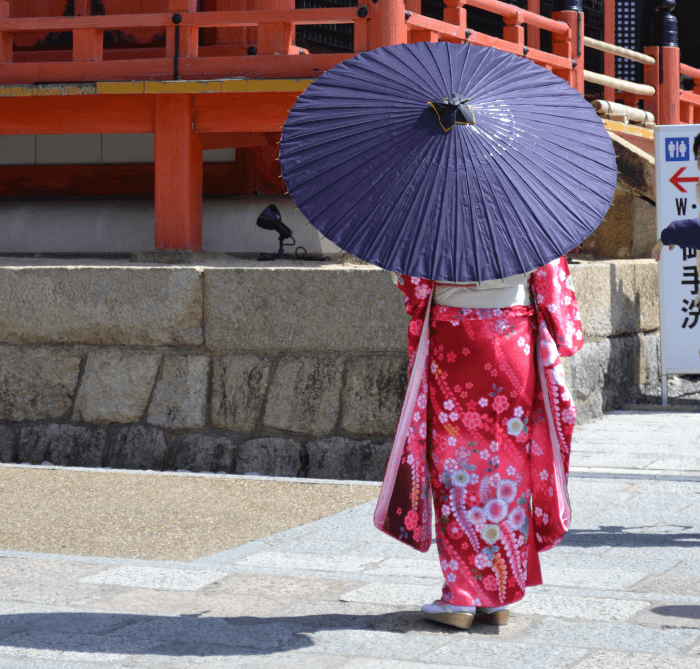
From Kimono, through #KimOhNo, to Skims: A branding nightmare for Kim Kardashian
#KimOhNo became a symbol of the backlash to Kim Kardashian’s attempt to register a trademark for her new line of shape wear, Kimono.


Written by Tomas Orsula
Senior Trademark Attorney ·
A Section 2(e)(2) refusal is issued when the USPTO determines the applied-for mark is primarily geographically descriptive of the origin of the goods or services. The mark identifies a real geographic location, that location is of primary significance in the mark, and consumers would understand the mark to indicate the geographic origin of the goods.
"Alaska Salmon" for salmon from Alaska, or "Champagne" for sparkling wine from the Champagne region of France, are examples. The geographic term describes where the product comes from rather than identifying a single commercial source.
Unlike Section 2(e)(3), a primarily geographically descriptive mark can potentially be registered on the Supplemental Register, or on the Principal Register if acquired distinctiveness is demonstrated.
Does receiving an office action mean my trademark is denied?
Can I amend my trademark application in response to an office action?
How long does it take for the USPTO to review my response to an office action?
What is a suspension letter in context of trademark office actions?
Is there any other solution to an office action besides responding?
What does it mean if a trademark is 'published for oppositions'?

Our team of experienced trademark attorneys is here to help you! Simply send us an email outlining your request and we'll be happy to assist you.