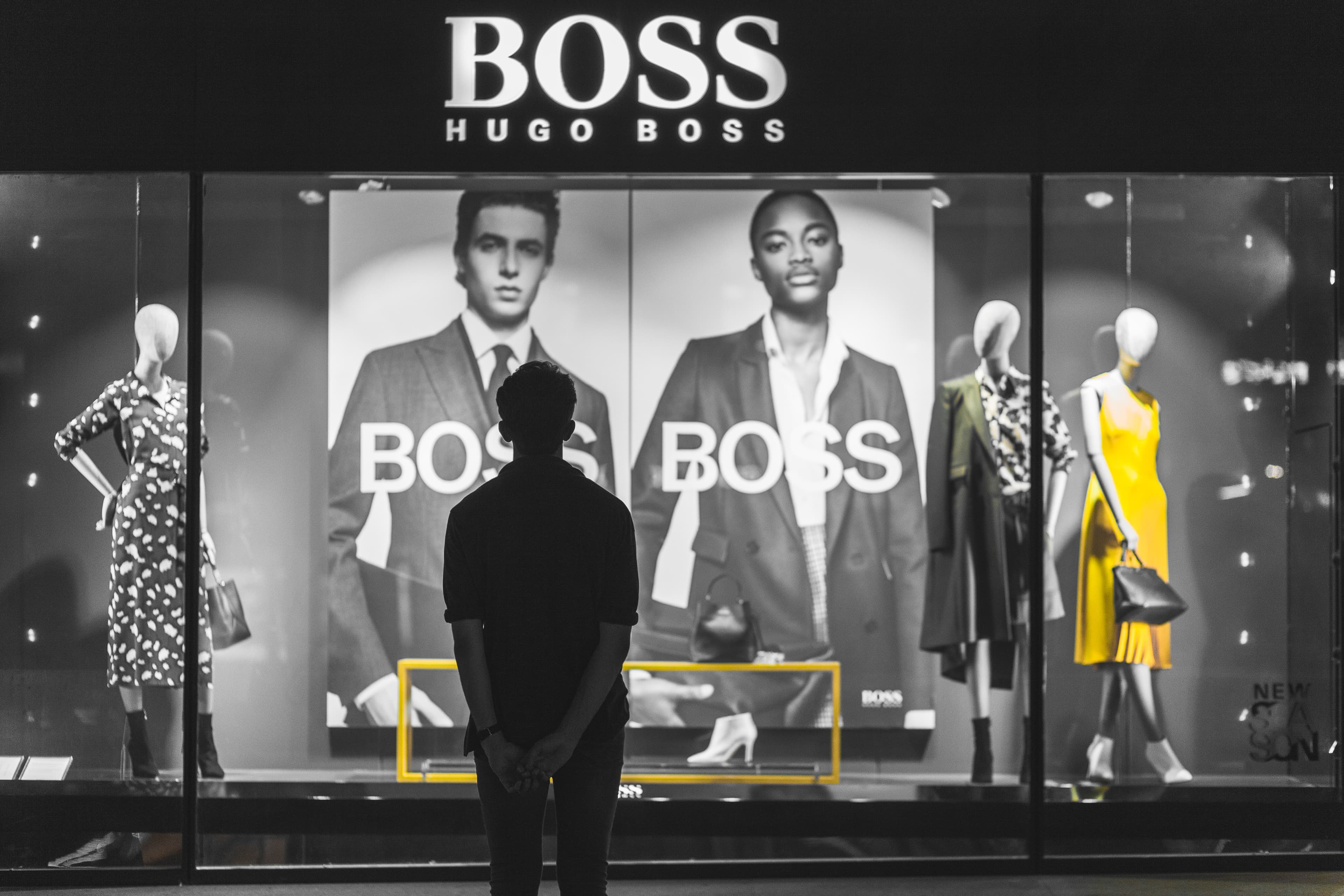
Hugo Boss trademark challenge turned into PR nightmare
What happens when an internationally well-known luxury fashion house goes against a small family-owned Welsh brewery? As it turns out, a lot of unexpected things.


Written by Igor Demcak
Founder & Trademark Attorney ·
The two most common grounds for a USPTO refusal are likelihood of confusion and descriptiveness.
Likelihood of confusion arises when the examiner identifies an existing registered or pending mark that is similar enough to yours in appearance, sound, or meaning, and the goods or services overlap sufficiently that consumers might confuse the two sources. This is the most frequent basis for a refusal.
Descriptiveness arises when the mark merely describes a characteristic, quality, or feature of the goods or services rather than identifying a single commercial source. Marks that are merely laudatory ("Best Quality"), geographically descriptive, or primarily a surname also fall under this ground.
Other grounds include: the mark being primarily merely a surname, the mark being deceptive or immoral, or the application containing procedural deficiencies such as an inadequate specimen or an incorrect goods and services description.
Is trademark registration needed to sell products in the USA?
What's the difference between the use-in-commerce and intent-to-use basis?
A US trademark is valid for 10 years; are there any other costs or annual fees during that period?
How does the USPTO act in case of a likelihood of confusion?
If I apply for a US trademark and there is an objection from the USPTO, what happens next?

Our team of experienced trademark attorneys is here to help you! Simply send us an email outlining your request and we'll be happy to assist you.