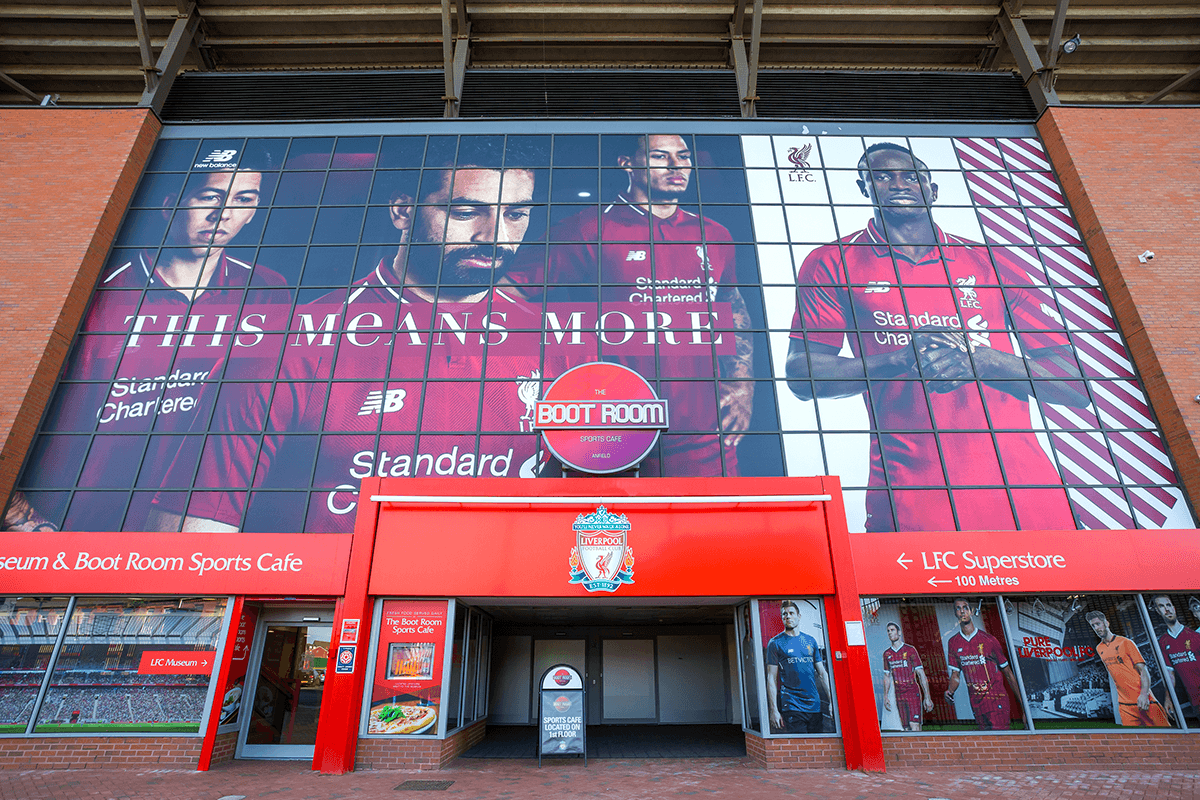
FC Liverpool’s failure to attain “Liverpool” trademark: When 19 league titles just aren't enough
Acknowledging the full extent of brand infringement, FC Liverpool has attempted to register a trademark for the word Liverpool in an attempt to extend its scope of brand protection. These efforts have been unsuccessful following a heated public debate, with the United Kingdom Intellectual Property Office (UKIPO) rejecting the application due to the geographical significance of the city of Liverpool. Yet, Chelsea FC and Tottenham Hotspur represent examples of football clubs that have succeeded in their efforts to register trademarks for the words Chelsea and Tottenham. This viewpoint explores the seemingly subtle, yet significant, differences in these cases and explores the wider implications for brand protection.